Moderator: Community Team

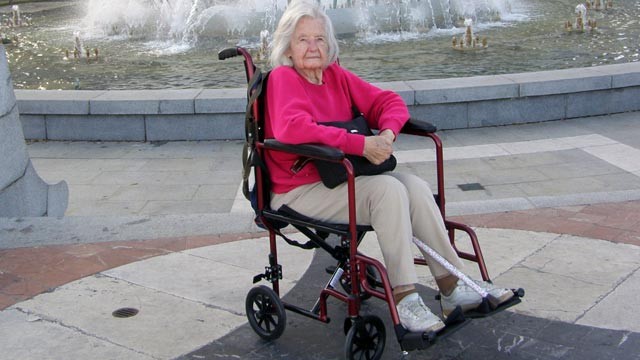
I think profiling is the best idea. It wasn't a bunch of 95 year old women in wheelchairs, with cancer, and an adult diaper. It wasn't a bunch of little children. Profiling is a fantastic idea. It's really just common sense.BigBallinStalin wrote:The worst is when they grope under-age kids (<18 ) in back rooms, 1 on 1. Maybe there's a camera watching, but what incentive does an organization have to release damning videos about its abusive activities? Essentially, it is OK for the state to molest kids, yet it's not OK for civilians to do so. Seems weird...
And why so many unnecessary precautions? Why not emulate models used by Germany's very professional service or by the Israeli's (via profiling)? There are more effective methods, yet they are disregarded.
Does anyone know what proportion of TSA officers abuse their power? For example, someone complains about being searched again (personally or their possessions) because their flight leaves in 5 minutes, so the TSA officer on a whim takes their stuff and intensely "searches" for bombs and weapons merely because that TSA officer is angry at someone and wishes to show one's dominance over another. That's real petty for an "officer" in charge of deterring terrorist activities.
I've dropped a bomb or two in my diaper.Army of GOD wrote:Am I the only one who thinks the story of a 95 year old women in a wheelchair with cancer and an adult diaper flying is a bit suspicious?
If that was me, I would've arrested that bomb-toting terrorist on the spot.
guvmint is tarded yo. But give them more money asap.bedub1 wrote:In this thread we make fun of the TSA and how fucking stupid they are.
They have made the security screening process so terrible, that there isn't any reason to blow up an airplane. You'd be better off blowing up in the line outside the security screening process. Never before have I seen so many people jam packed so close together. The screening process doesn't make you safer, it makes you vulnerable to terrorists.
I thought you were communist, yo.BigBallinStalin wrote:Why doesn't the government privatize the services provided by the TSA and hold legally responsible the airlines using certain terminals in providing security?
Those airlines would then be strongly encouraged to make sure that their customers aren't blown to itty-bits.
If the airports were privatized, they could provide the services themselves while scrapping fees for the security from the airlines directly (as oppose to having the government tax those who don't even use the airlines).
Shhh!!whitestazn88 wrote:I thought you were communist, yo.BigBallinStalin wrote:Why doesn't the government privatize the services provided by the TSA and hold legally responsible the airlines using certain terminals in providing security?
Those airlines would then be strongly encouraged to make sure that their customers aren't blown to itty-bits.
If the airports were privatized, they could provide the services themselves while scrapping fees for the security from the airlines directly (as oppose to having the government tax those who don't even use the airlines).
Before September 11th, that is the way it was. The airlines paid the airport a fee to provide the security screening. There was a program running last year to allow for private security to run the screening at 16 airports, the TSA ended the program.BigBallinStalin wrote:Why doesn't the government privatize the services provided by the TSA and hold legally responsible the airlines using certain terminals in providing security?
Those airlines would then be strongly encouraged to make sure that their customers aren't blown to itty-bits.
If the airports were privatized, they could provide the services themselves while scrapping fees for the security from the airlines directly (as oppose to having the government tax those who don't even use the airlines).
Washington (CNN) -- A program that allows airports to replace government screeners with private screeners is being brought to a standstill, just a month after the Transportation Security Administration said it was "neutral" on the program.
TSA chief John Pistole said Friday he has decided not to expand the program beyond the current 16 airports, saying he does not see any advantage to it.
Though little known, the Screening Partnership Program allowed airports to replace government screeners with private contractors who wear TSA-like uniforms, meet TSA standards and work under TSA oversight. Among the airports that have "opted out" of government screening are San Francisco and Kansas City.
The push to "opt out" gained attention in December amid the fury over the TSA's enhanced pat downs, which some travelers called intrusive.
Rep. John Mica, a Republican from Florida, wrote a letter encouraging airports to privatize their airport screeners, saying they would be more responsive to the public.
At that time, the TSA said it neither endorsed nor opposed private screening.
"If airports chose this route, we are going to work with them to do it," a TSA spokesman said in late December.
But on Friday, the TSA denied an application by Springfield-Branson Airport in Missouri to privatize its checkpoint workforce, and in a statement, Pistole indicated other applications likewise will be denied.
"I examined the contractor screening program and decided not to expand the program beyond the current 16 airports as I do not see any clear or substantial advantage to do so at this time," Pistole said.
He said airports that currently use contractor screening will continue to be allowed to.
Pistole said he has been reviewing TSA policies with the goal of helping the agency "evolve into a more agile, high-performance organization."
Told of the change Friday night, Mica said he intends to launch an investigation and review the matter.
"It's unimaginable that TSA would suspend the most successfully performing passenger screening program we've had over the last decade," Mica said Friday night. "The agency should concentrate on cutting some of the more than 3,700 administrative personnel in Washington who concocted this decision, and reduce the army of TSA employees that has ballooned to more than 62,000."
"Nearly every positive security innovation since the beginning of TSA has come from the contractor screening program," Mica said.
A union for Transportation Security Administration employees said it supported the decision to halt the program.
"The nation is secure in the sense that the safety of our skies will not be left in the hands of the lowest-bidder contractor, as it was before 9/11," said John Gage, president of the American Federation of Government Employees. "We applaud Administrator Pistole for recognizing the value in a cohesive federalized screening system and work force."
Advocates of private screeners say it is easier to discipline and replace under-performing private screeners than government ones.
But Congress members have differed over the effectiveness of private screeners.
Mica said tests show that private screeners perform "statistically significantly better" than government screeners in tests of airport checkpoints. But the Government Accountability Office says it "did not notice any difference" during covert checkpoint testing in 2007. Both groups failed to find concealed bomb components, the GAO said.
Test results are not publicly disclosed.
On Friday, Rep. Bennie Thompson of Mississippi, the ranking member on the House Homeland Security Committee, lauded Pistole's decision.
"Ending the acceptance of new applications for the program makes sense from a budgetary and counter-terrorism perspective," he said in a statement.
Because the government is involved in directly financially supporting airlines. In addition to providing public security (instead of the airlines providing private security), the government provides subsidies. See the attached link.BigBallinStalin wrote:Why doesn't the government privatize the services provided by the TSA and hold legally responsible the airlines using certain terminals in providing security?
Those airlines would then be strongly encouraged to make sure that their customers aren't blown to itty-bits.
If the airports were privatized, they could provide the services themselves while scrapping fees for the security from the airlines directly (as oppose to having the government tax those who don't even use the airlines).
BigBallinStalin wrote:Why doesn't the government privatize the services provided by the TSA and hold legally responsible the airlines using certain terminals in providing security?
Those airlines would then be strongly encouraged to make sure that their customers aren't blown to itty-bits.
If the airports were privatized, they could provide the services themselves while scrapping fees for the security from the airlines directly (as oppose to having the government tax those who don't even use the airlines).
That's an interesting article...Augustus Maximus wrote:Before September 11th, that is the way it was. The airlines paid the airport a fee to provide the security screening. There was a program running last year to allow for private security to run the screening at 16 airports, the TSA ended the program.BigBallinStalin wrote:Why doesn't the government privatize the services provided by the TSA and hold legally responsible the airlines using certain terminals in providing security?
Those airlines would then be strongly encouraged to make sure that their customers aren't blown to itty-bits.
If the airports were privatized, they could provide the services themselves while scrapping fees for the security from the airlines directly (as oppose to having the government tax those who don't even use the airlines).
Washington (CNN) -- A program that allows airports to replace government screeners with private screeners is being brought to a standstill, just a month after the Transportation Security Administration said it was "neutral" on the program.
TSA chief John Pistole said Friday he has decided not to expand the program beyond the current 16 airports, saying he does not see any advantage to it.
Though little known, the Screening Partnership Program allowed airports to replace government screeners with private contractors who wear TSA-like uniforms, meet TSA standards and work under TSA oversight. Among the airports that have "opted out" of government screening are San Francisco and Kansas City.
The push to "opt out" gained attention in December amid the fury over the TSA's enhanced pat downs, which some travelers called intrusive.
Rep. John Mica, a Republican from Florida, wrote a letter encouraging airports to privatize their airport screeners, saying they would be more responsive to the public.
At that time, the TSA said it neither endorsed nor opposed private screening.
"If airports chose this route, we are going to work with them to do it," a TSA spokesman said in late December.
But on Friday, the TSA denied an application by Springfield-Branson Airport in Missouri to privatize its checkpoint workforce, and in a statement, Pistole indicated other applications likewise will be denied.
"I examined the contractor screening program and decided not to expand the program beyond the current 16 airports as I do not see any clear or substantial advantage to do so at this time," Pistole said.
He said airports that currently use contractor screening will continue to be allowed to.
Pistole said he has been reviewing TSA policies with the goal of helping the agency "evolve into a more agile, high-performance organization."
Told of the change Friday night, Mica said he intends to launch an investigation and review the matter.
"It's unimaginable that TSA would suspend the most successfully performing passenger screening program we've had over the last decade," Mica said Friday night. "The agency should concentrate on cutting some of the more than 3,700 administrative personnel in Washington who concocted this decision, and reduce the army of TSA employees that has ballooned to more than 62,000."
"Nearly every positive security innovation since the beginning of TSA has come from the contractor screening program," Mica said.
A union for Transportation Security Administration employees said it supported the decision to halt the program.
"The nation is secure in the sense that the safety of our skies will not be left in the hands of the lowest-bidder contractor, as it was before 9/11," said John Gage, president of the American Federation of Government Employees. "We applaud Administrator Pistole for recognizing the value in a cohesive federalized screening system and work force."
Advocates of private screeners say it is easier to discipline and replace under-performing private screeners than government ones.
But Congress members have differed over the effectiveness of private screeners.
Mica said tests show that private screeners perform "statistically significantly better" than government screeners in tests of airport checkpoints. But the Government Accountability Office says it "did not notice any difference" during covert checkpoint testing in 2007. Both groups failed to find concealed bomb components, the GAO said.
Test results are not publicly disclosed.
On Friday, Rep. Bennie Thompson of Mississippi, the ranking member on the House Homeland Security Committee, lauded Pistole's decision.
"Ending the acceptance of new applications for the program makes sense from a budgetary and counter-terrorism perspective," he said in a statement.