It is possible pangae was the first supercontinent. You say I'm wrong, but its possible I'm correct.hotfire wrote:pangae wasn't even the first supercontinent...what broke the first one apart? another flood?


Moderator: Community Team

It is possible pangae was the first supercontinent. You say I'm wrong, but its possible I'm correct.hotfire wrote:pangae wasn't even the first supercontinent...what broke the first one apart? another flood?

It is possible the Bible doesn't describe this. You say I'm wrong, but its possible I'm correct.universalchiro wrote:The Bible describes Pangaea broke apart at the time of the global flood. Approximately 4,500 years ago. This is supported but no river delta has greater than 4,500 years of deposit & no trail of deltas remain on ocean floor as the tectonic plates moved. Evidence the tectonic plates moved quickly at theflod & has slowed to current rate to allow deltas to form.
18,000 years ago during the ice age the sea level was 410 feet below its current position...what makes u think that rivers were creating deltas in the same place? and any previous sediment the longshore drifting process would certainly have moved..maybe into the one mile thick sediment at the base of the continental rise...universalchiro wrote: @hotfire: apparently you are unaware the current at the bottom ocean floor is 1/100 the velocity at the surface on average.
The Bible describes Pangaea broke apart at the time of the global flood. Approximately 4,500 years ago. This is supported but no river delta has greater than 4,500 years of deposit & no trail of deltas remain on ocean floor as the tectonic plates moved. Evidence the tectonic plates moved quickly at theflod & has slowed to current rate to allow deltas to form.

watAndyDufresne wrote:
--Andy
universalchiro wrote:The Bible describes Pangaea broke apart at the time of the global flood. Approximately 4,500 years ago.
No. This is absolutely not true. Its not anything that real creationists actually think or say.universalchiro wrote: This is supported but no river delta has greater than 4,500 years of deposit & no trail of deltas remain on ocean floor as the tectonic plates moved. Evidence the tectonic plates moved quickly at theflod & has slowed to current rate to allow deltas to form.
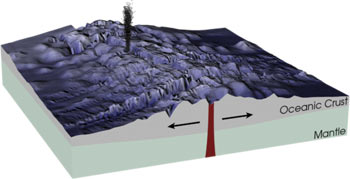
There are so many problems with this statement I don't know where to begin. Let's start with the whole notion of how plates move in the first place. At a certain point new material rises up and pushes the old material farther apart. The notion that there would be a "trail of deltas" is nonsense. The river delta was never anywhere near where the edges of the places are now, because when the river delta was there, the edges of the plates as we know them wasn't there.universalchiro wrote: This is supported but no river delta has greater than 4,500 years of deposit & no trail of deltas remain on ocean floor as the tectonic plates moved. Evidence the tectonic plates moved quickly at theflod & has slowed to current rate to allow deltas to form.

On the other hand, let's consider an old River, the Nile.The modern Mississippi River Delta formed over the last approximately 7,000 years as the Mississippi River deposited sand, clay and silt along its banks and in adjacent basins.
The oldest parts of the Nile drainage are probably those associated with the Sudd. These follow the axes of sediment-filled rifts that formed over 65 million years ago, and which have continued to slowly sink and fill with sediments since that time. This part of what is now the Nile only became part of the great transcontinental river in the past 1 or 2 million years. The best record of the great river is recorded where the sedimentary sequence is best preserved, in Egypt.